Tell Us About Your Lawn
Send us the basics on your property and the area you want sodded, a full new lawn, a worn-out yard, or a slope that keeps washing, and we’ll set up a time to take a look and get you an estimate.
What's Included in Sod Installation
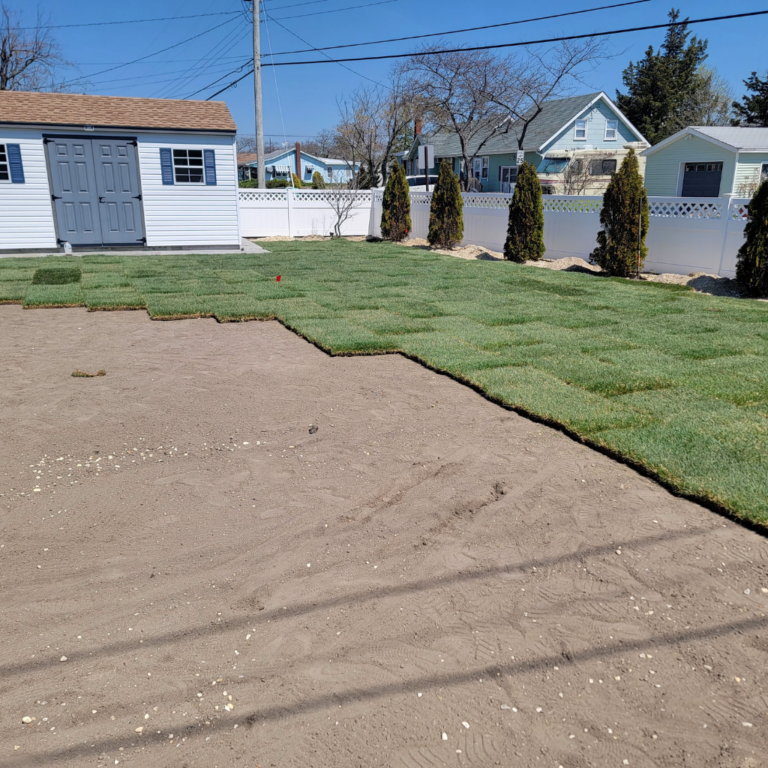
Sod is mature, farm-grown turf laid as a finished lawn, so the ground goes from bare to green and rooted in a day instead of waiting months for seed to come in. But sod only takes if the ground under it is prepped right and the pieces are laid tight, otherwise it dries out, the seams open up, and it dies at the joints.
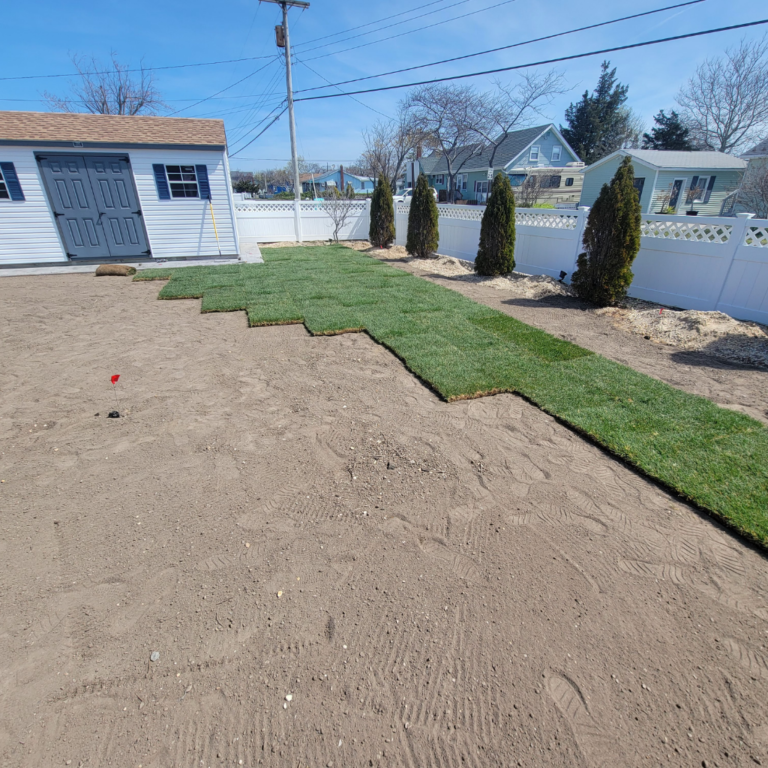
We do the full job: grading and prepping the soil base, laying the sod tight and staggered so it knits into one lawn, and setting it up to root and hold. It’s one of our landscaping services for homes and commercial properties across lower Cape May County.
What Sod Installation Includes
Site Prep and Grading for Sod
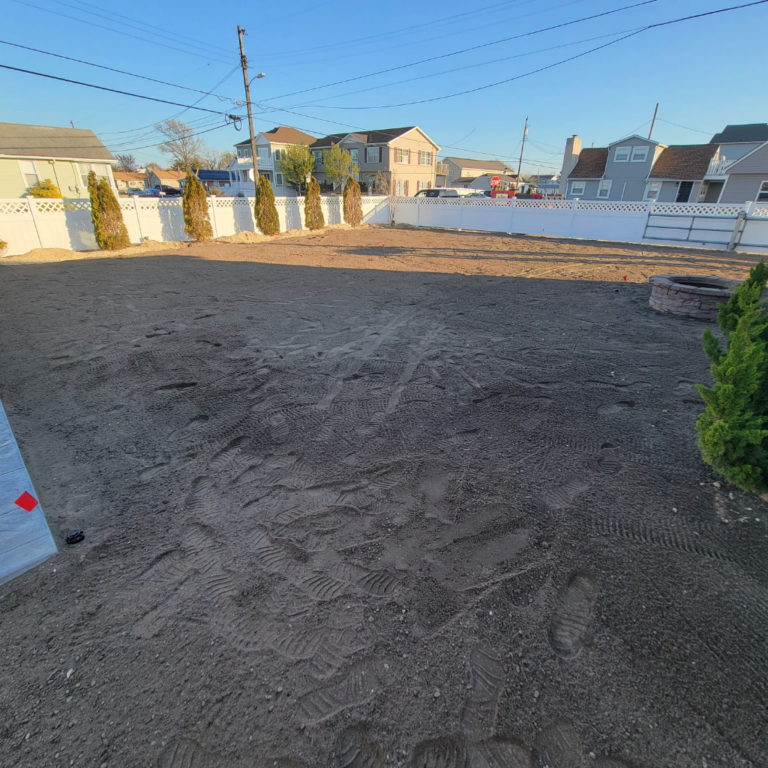
Sod is only as good as the ground under it, so the prep is most of the work. We clear the area, grade it so water runs off the way it should instead of pooling, and level out the high and low spots so the finished lawn sits flat and even.
Then we loosen and prep the soil so the sod roots down into it instead of sitting on hardpan, and grade it just below the surrounding walks and drives so the new lawn finishes flush rather than raised or sunk. Skip this and even good sod dries out, scalps on the bumps under a mower, and never roots, which is exactly why the prep is where we spend the time.
Laying and Fitting the Sod
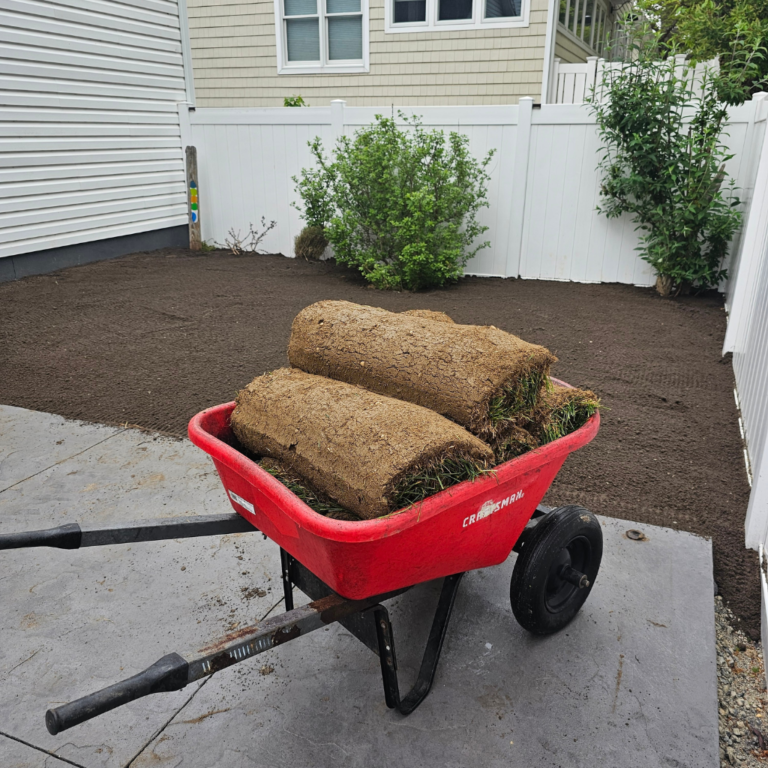
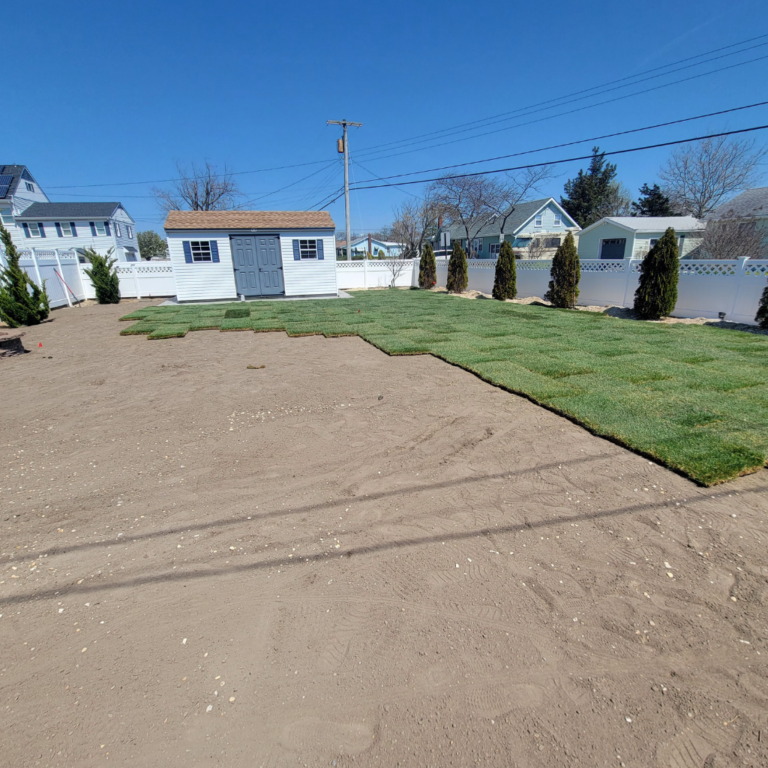
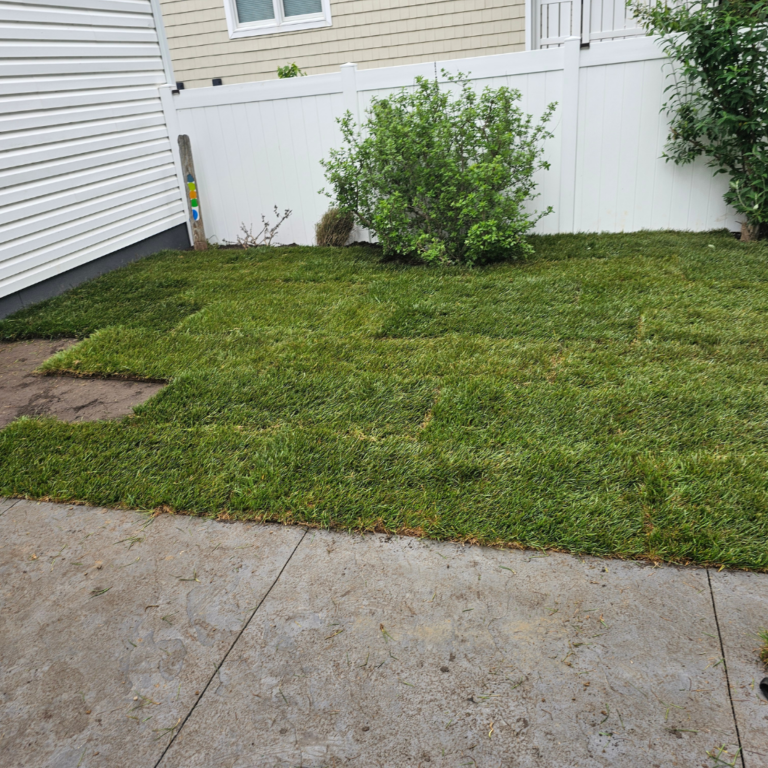
We lay the sod in tight, staggered rows like brickwork, butting every seam snug against the next with no gaps and no overlaps, so the joints knit together instead of drying out and opening into brown lines. Around beds, walks, driveways, and curves we cut each piece to fit the edge clean, rather than leaving ragged ends or gaps that brown out.
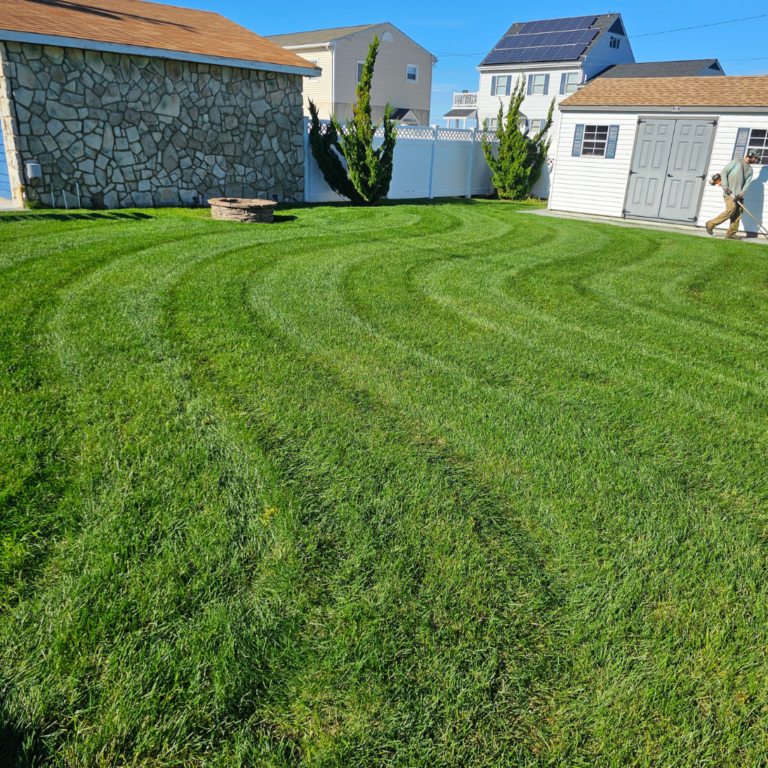
As it goes down we roll it so the roots press into firm contact with the soil underneath, which is what gets it to knit down and root instead of shifting or lifting at the edges. Done right, the seams disappear within a couple of weeks and it reads as one continuous lawn, not a grid of pieces.
Watering-In and Establishment
Fresh sod has to root into the soil below it before it is really a lawn, and the first couple of weeks decide whether it does. We water it in as it goes down and set you up with a clear schedule to keep it and the soil beneath it consistently moist while the roots take hold, then taper off as it knits down.
We tell you when to stay off it, when it is rooted enough for that first mow, and what to watch for while it establishes. Get those first weeks right and the sod roots in and holds; let it dry out at the start and the seams shrink and the edges brown before it ever takes.
Sod for Slopes and Erosion-Prone Ground
On slopes, banks, and the sandy spots that wash out every hard rain, sod does something seed cannot: it holds the ground the moment it goes down. Where loose seed would wash off a slope before it ever rooted, a sodded slope is locked in immediately, with mature roots and a solid mat knitting the soil in place from day one.
We pin the sod on steeper grades so it stays put while it roots, and grade and prep the bank first so it roots in instead of sliding. For a washout-prone area or a bank that has never held grass, sod is usually the only thing that takes the first time.
Why Choose Sod for Your Lawn
Sod buys you two things bare ground and seed cannot: a finished lawn now, and a sure thing.
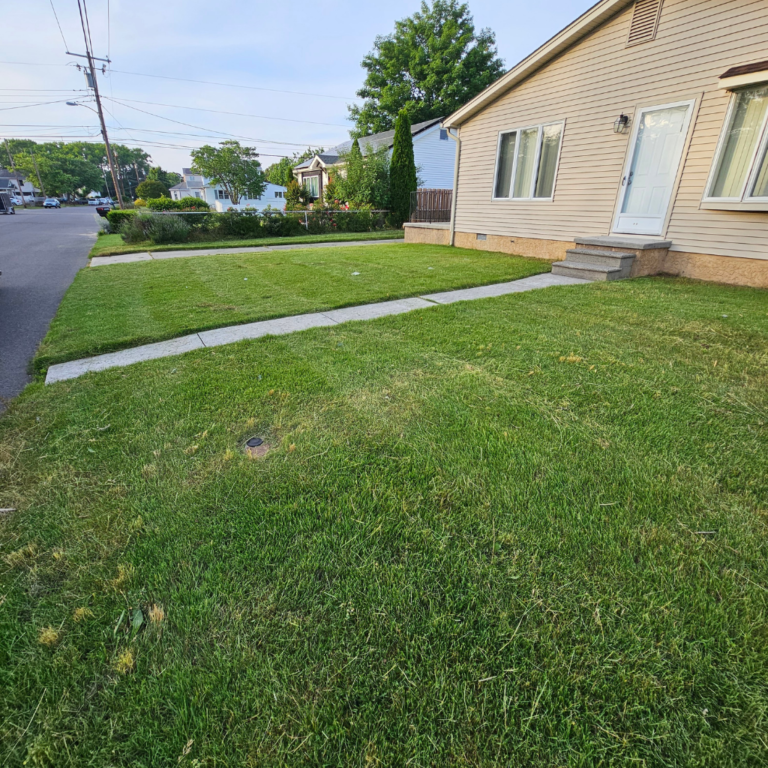
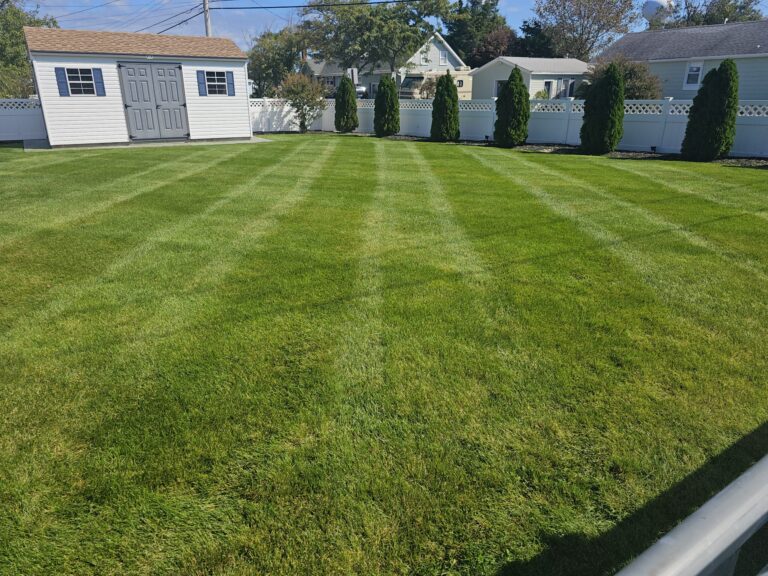
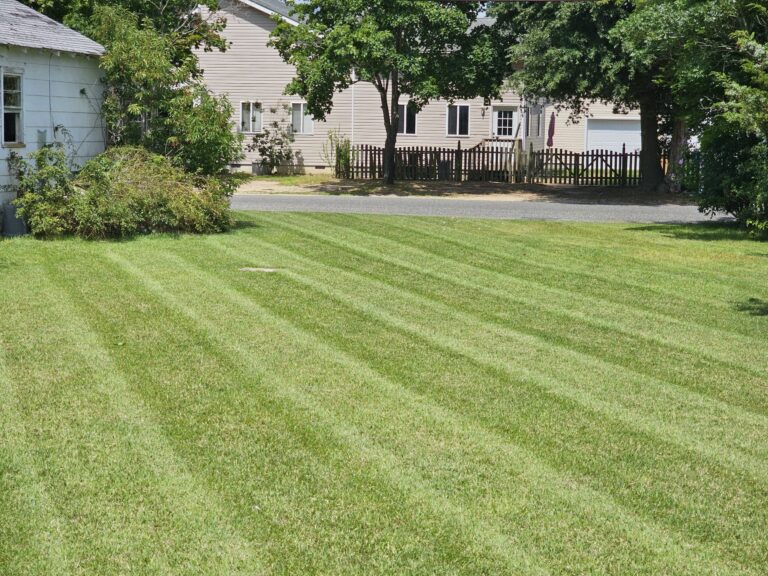
The day it is laid you have a full, green, usable lawn, with no months of watching a dirt lot, roping off muddy ground, or hoping enough seed takes before the weeds and the rain get to it first.
That matters more down here than most places, because on sandy, fast-draining shore soil, bare ground washes, weeds colonize it fast, and seed has a narrow window to root before it dries or washes out, while sod roots from a mature mat that holds the ground from the first day.
On a commercial property it means the grounds look finished and cared for immediately, which is how people judge a business walking up, with no long stretch of looking torn up. At a home it means you are using and enjoying the lawn this season instead of babying bare dirt and waiting on it. It costs more up front than seed, but on the right site, a slope, a high-traffic property, or a job that needs to look done now, it is the difference between a lawn that takes and one you are redoing.