Yard Grading in Lower Cape May County

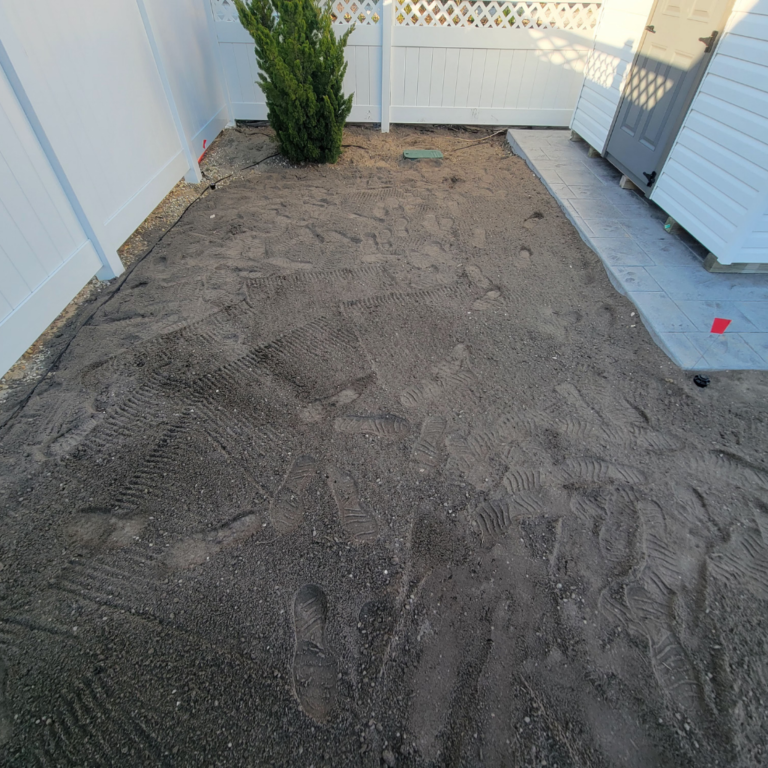
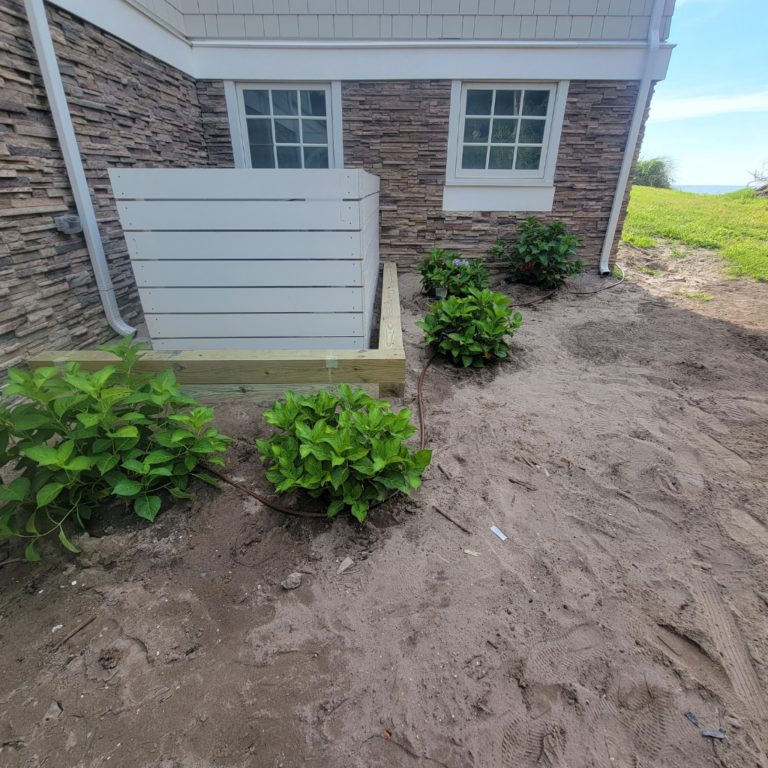
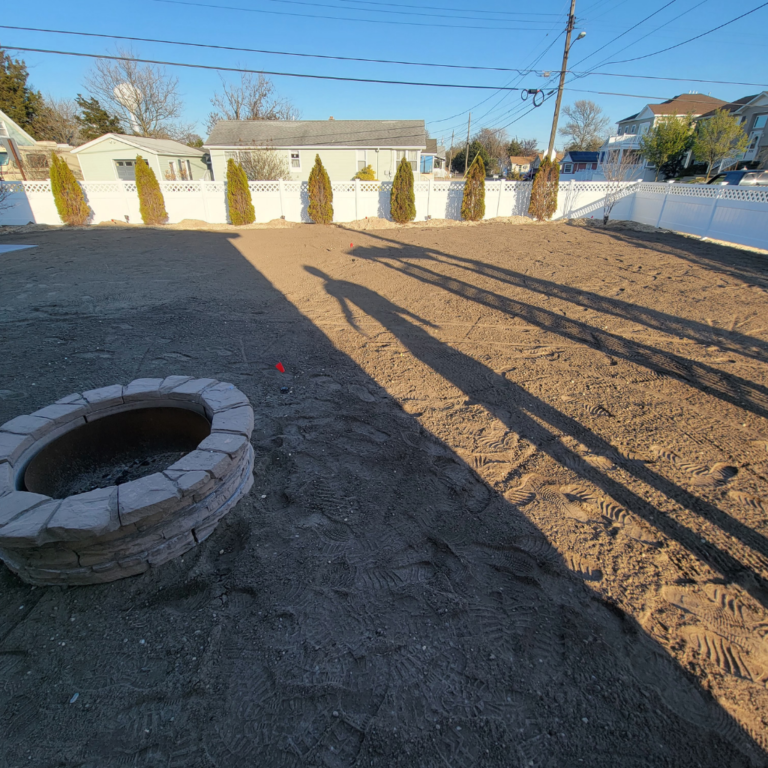
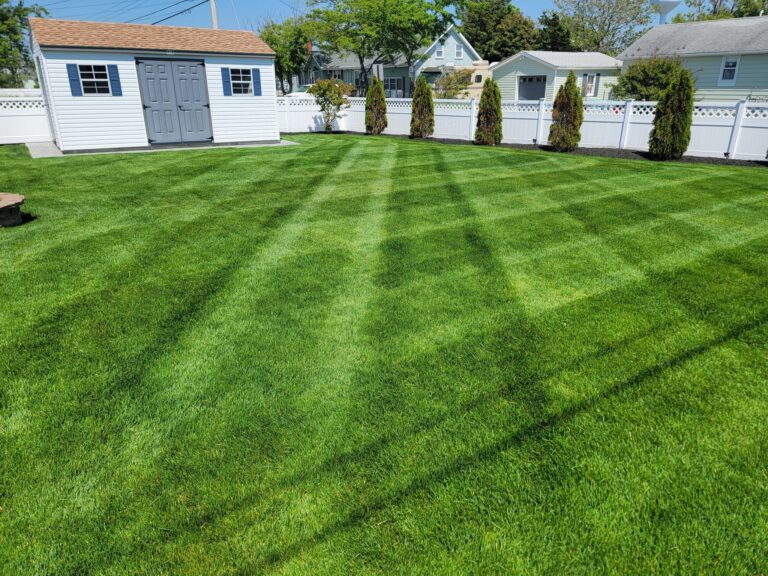
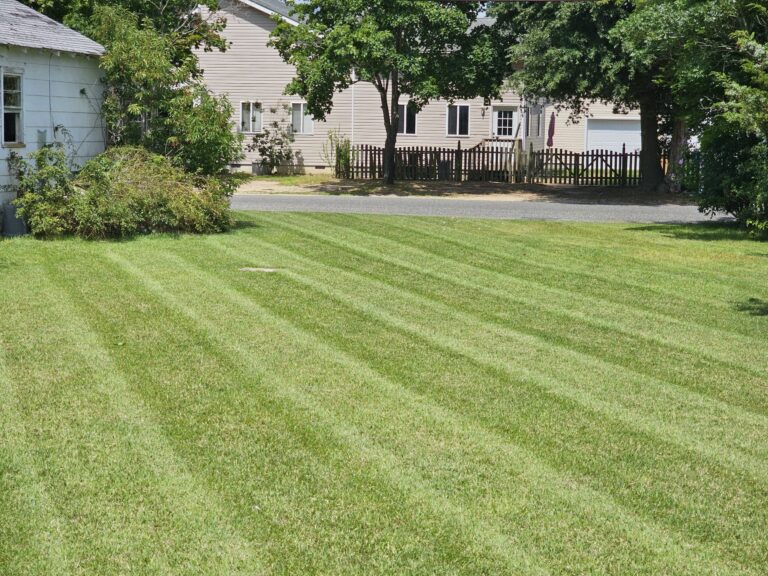
Grading that gets the ground right, moving water away from the house, leveling the low spots that pool, and shaping a yard that drains instead of sitting wet. It is the groundwork the rest of a landscape depends on, and on the sandy, low-lying ground down here it is often where a property finally stops fighting the water.

Trusted By Our Community

Over a decade caring for lawns and landscapes across lower Cape May County.

Tell Us About the Ground

Send us the basics on your property and what is going wrong, water pooling, a wet yard, ground running toward the house, or a base that needs leveling before sod or a patio goes in, and we’ll set up a time to come take a look and get you an estimate.

What's Included in Our Grading

Grading is the groundwork the rest of a landscape sits on, and when it is wrong, everything on top of it struggles, water pools, beds wash, and a lawn never quite takes.


The job is reshaping the ground so it sheds water the right way, away from the house and off the property, instead of collecting in low spots and running where you do not want it. Down here, where the ground is sandy and low and the water table is close, getting the grade right is often the difference between a yard that drains and one that stays soft and wet for days after a rain. We read how the water moves across your property, reshape the ground to fix it, and leave a surface that is ready for whatever comes next.


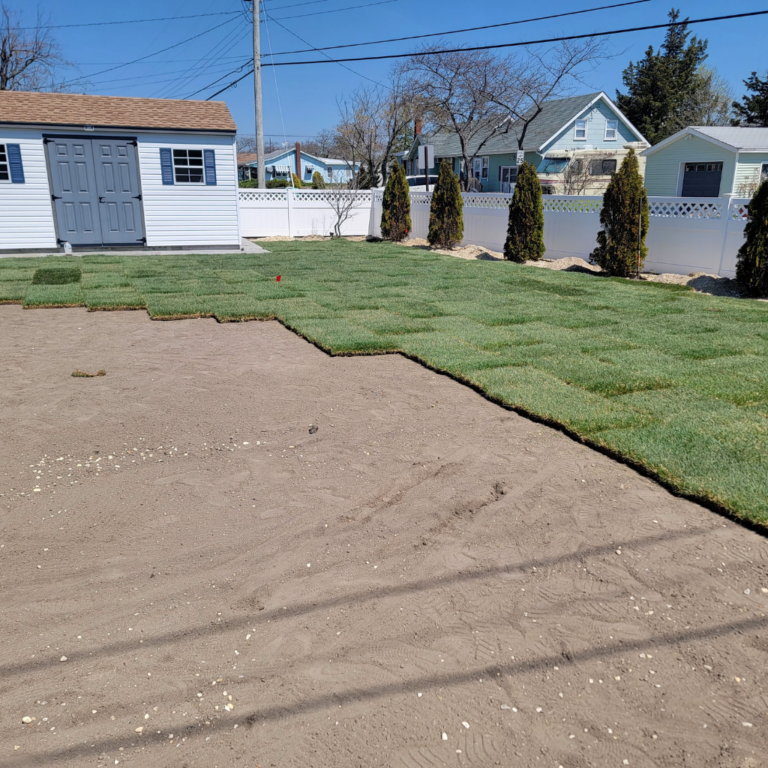
When a lot has to be opened up before the ground can be reshaped, we also handle land clearing first, and once the grade is set we can move straight into sod installation.
 

What Our Grading Covers

Water Flow Correction

Most grading calls come down to water going where it should not, running back toward the foundation, collecting in a low corner, or sitting in the middle of the yard after every rain.

We read how the water actually moves across the property first, walking it and watching where it pools and where it runs, since the fix is only as good as reading the problem right. Then we reshape the ground so the surface carries water away from the house and off the lot, cutting down what is sending it the wrong way and building up what needs to shed.

The grade is set to a steady, continuous fall, so the water keeps moving instead of stalling in a flat spot and ponding. Getting the surface to carry water the right way is the whole point of grading, and it is what protects the lawn, the beds, and anything you build on top of it.

Leveling Low and Wet Spots

A low spot that holds water turns into a soft, muddy patch that drowns the grass, stays soggy for days, and never really dries out in the low, damp ground down here. We fill and level those low areas and smooth out the dips and ruts, so the surface sits even and water runs across it instead of pooling and sitting.

Where a spot has settled over the years, we bring it back up to grade and tie it cleanly into the ground around it, so there is no new dip left at the seam. We compact the fill as we go where it matters, so the leveled ground holds instead of sinking back into the same low spot in a season. That leveling turns a lumpy, wet yard into an even one you can actually walk, mow, and use.

Slope and Grade Shaping

The fall of a yard, the slight, steady slope that carries water off, is something you never notice until it is wrong and the water starts coming back at the house. We shape the grade to a clean, consistent fall away from the foundation and the structures, enough to move water without leaving an obvious slope you can see or one that washes out under a hard rain.

Right around the house we set the ground falling away from the walls for the first several feet, which is the stretch that decides whether water sheds off or sits against the foundation. Across the rest of the property we carry that fall out to where the water should go, smoothing the transitions so it reads as a level-looking yard that quietly drains. On a property that has settled or was never graded right to begin with, re-establishing that fall is usually the whole fix.

Base Prep for Sod, Beds, and Hardscape

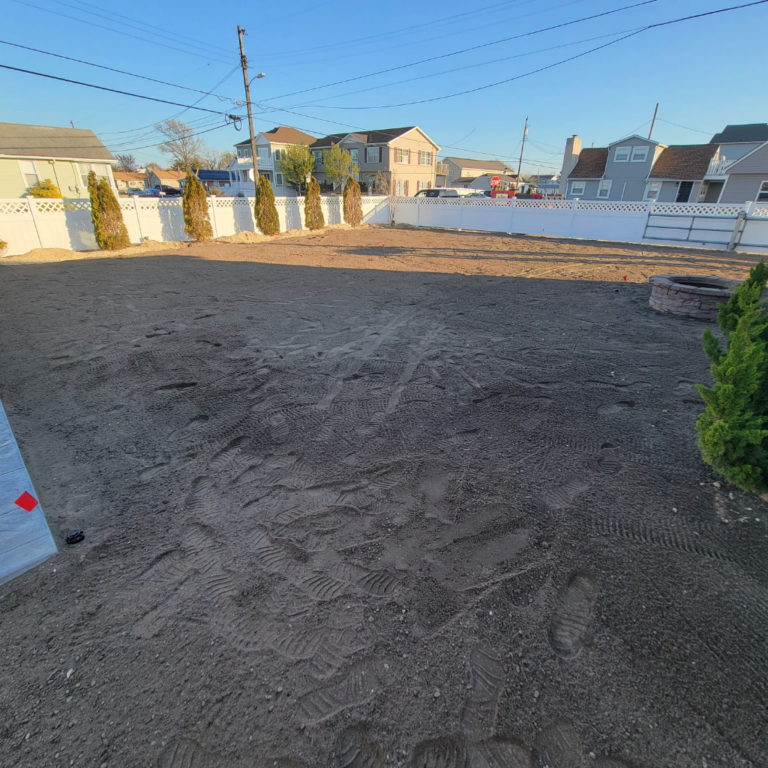
Sod laid on uneven ground, a patio set on a soft base, or beds built in a wet spot all fail the same way, from the ground up. We grade and prep a firm, even base set to the right fall, so whatever goes on top sits on ground that holds and sheds water instead of settling and pooling. For a new lawn we leave the surface smooth and true so the sod knits flat, with no dips to scalp or low spots to puddle, and for beds we set the grade so they drain instead of holding water against the roots.

For a hardscape install we cut the base to the depth and fall the build needs, so the crew laying the driveway or the Belgian block starts on ground that is already right. Getting the base correct first is what keeps the finished work from heaving, settling, or washing out a season later, which is the expensive way to find out the grade was wrong.

What Good Grading Does for a Property

Grading is the part of a landscape nobody sees and everything depends on, the shape of the ground that decides where the water goes. Get it right and the property drains, the lawn takes, the beds hold, and water stays away from the house, get it wrong and you fight standing water, washed-out beds, a soggy yard, and in the worst cases water working toward the foundation.


It is also the base for everything else, a new lawn or a patio is only as good as the ground under it, so the grade is where the value of the whole project is protected or lost. Down here, where the ground is sandy and low and sits close to the water table, grading is one of the most important and most overlooked parts of making a property work the way it should.

01

Groundwork Done Right Whether or Not You're There

Grading is the kind of heavy, messy work most owners do not want to be standing in the middle of, and a lot of properties down here are not lived in full-time anyway. We handle it start to finish, reading the property, reshaping the ground, and leaving it set and clean, whether you are there watching or away while the work gets done.

Whether it is a year-round home with a yard that finally needs to be fixed or a shore place you only get to on weekends, the point is the same: the groundwork is done right, once, by people who know what the low, sandy ground down here does and live right here. You come back to a property that drains and a base that is ready, not a torn-up yard waiting on you.

How a Grading Project Runs

01

Grading Consultation and Estimate

We come out, walk the property, and read how the water moves and where the ground is fighting you, then figure out what it takes to fix the grade and account for the low, sandy conditions down here.


You get a clear estimate up front before anything is scheduled.

02

Plan the Grade and the Water Flow

We plan the new grade around where the water needs to go, away from the house and off the property, and around whatever is going on top of it next.


Nothing gets reshaped until we know the fall the surface needs to carry water the right way.

03

Reshape and Level the Ground

We reshape the ground to the plan, cutting down the high spots, filling and leveling the low ones, and setting a clean, consistent fall, so the surface sheds water instead of collecting it.

04

Final Grade and Hand-Off

We finish to a firm, even surface set to the right fall and ready for what comes next, a new lawn, beds, or a hardscape install, so the finished work sits on ground that holds and drains.

02

Towns We Serve in Lower Cape May County

We grade properties across the lower county, out of our base in Villas, covering Cape May, West Cape May, Cape May Point, North Cape May, Erma, Town Bank, and Cold Spring, where the bayside, low-lying ground often makes grading the first real fix.

We also run north to Cape May Court House, Rio Grande, Whitesboro, Burleigh, Green Creek, Del Haven, and Mayville, along with Diamond Beach and the Wildwoods, Wildwood, Wildwood Crest, North Wildwood, and West Wildwood. From year-round homes to shore properties, if your place is in any of these, we can take it on.

5.0
Google reviews

Why Property Owners Choose Our Grading

Owners bring us in for grading because we read the water before we move the dirt, and because we set the ground to hold, not just smooth it over for a day.

We find where the water is going wrong, reshape the grade to carry it away from the house, level the low spots, and leave a base that is ready for whatever goes on top. We treat a year-round home and a weekend shore place the same way, to one standard, and we are local, so we know exactly what the low, sandy ground down here does.

Most of our work is repeat and referred, the kind that comes from neighbors seeing a property that finally drains right.

03

Grading Problems We Fix

Most of the properties we get called out to grade are dealing with the same things.

Water pooling and standing in the yard for days after a rain, leaving soft, muddy spots that kill the grass.

Ground that falls the wrong way, running water back toward the house and the low corners instead of away from them.

A yard too uneven or too wet to plant, sod, or build on, that needs the base fixed before anything else can go in. We handle each of these by reshaping the ground so it sheds water the right way and leaving a surface that holds.

Your Local Grading Crew

Boyes is a family-run crew based right here in Villas, and a lot of what we do is the groundwork that makes properties across lower Cape May County work, for year-round residents and shore-property owners alike.

We do the full range, from grading and land clearing to planting, beds, sod, and ongoing upkeep, and we also build hardscaping like driveways and Belgian block. Being local means we are easy to reach and we know exactly what the low, sandy ground down here does to a property, which is half the job.

Hedge Trimming Questions We Get a Lot

Usually, yes. Pooling almost always comes down to the ground falling the wrong way or holding low spots, and reshaping the grade so the surface sheds water away from the house and off the lot is the fix.


We read how the water moves on your property and regrade it to carry water where it should go.

That is one of the main reasons to do it.


We shape a clean, consistent fall away from the structures, so the ground carries water off instead of running it back toward the house, which is exactly what you want the grade doing.

Often, yes.


Sod on uneven ground and hardscape on a soft base both fail from the ground up, so we grade and prep a firm, level base set to the right fall first, then the finished work sits on ground that holds and drains.

Because the ground is sandy and low and sits close to the water table, so a yard that is graded wrong stays wet and soft far longer than it would inland.


Getting the grade right is often the single biggest fix for a property that always seems to be fighting the water.

Yes, and that is a common order of operations.


We can open up a lot first and then reshape and level the ground, so the property is cleared, graded, and ready for whatever you want to put in.

04

Let's Get Your Ground Right

Tell us about your property and what the water is doing, and we’ll come take a look, talk through the options, and get you a free estimate.