Tell Us About the Beds You Want
Send us the basics on your property and what you are after, a single bed at the entrance, beds wrapping the house, or a tired bed redone, and we’ll set up a time to come take a look and get you an estimate.
What's Included in Our Flowerbed Design
A well-designed bed is one of the fastest ways to lift the whole look of a home, and it is also the easiest thing to get wrong when it is just thrown together.
The difference between a bed that reads full and finished and one that looks tired by July comes down to how it is laid out, edged, and planted for the conditions, not how many plants get crammed in.
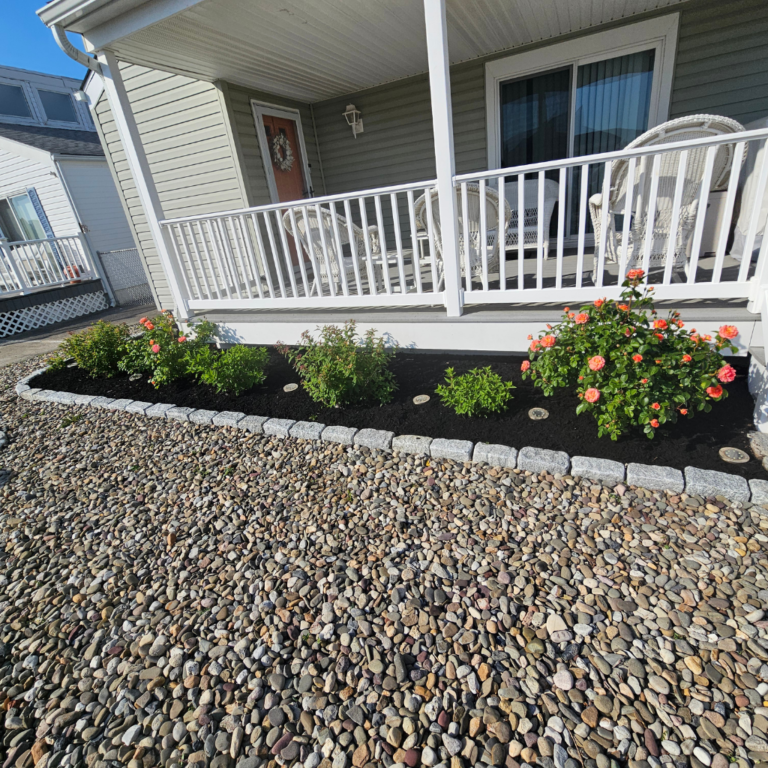
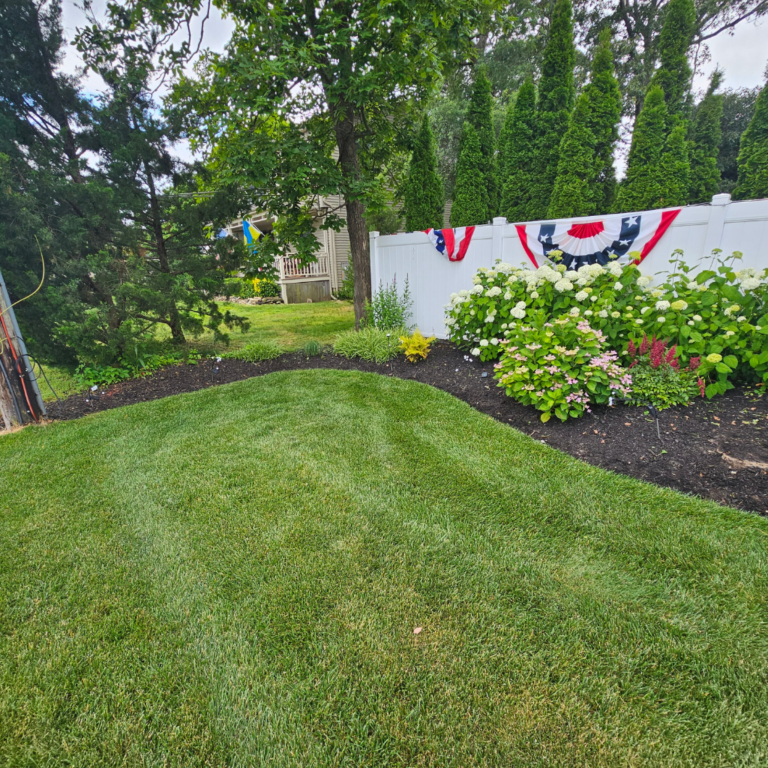
We design beds around the house, the light each spot gets, and the sightlines from the street and the windows, then build them with clean edges and a layout that carries color across the seasons.
Every plant is chosen for the salt and sandy soil down here, so the bed fills in and holds instead of needing constant rework. When a bed area needs the ground reshaped or leveled first, we also handle grading so the bed sits right and sheds water.
What Our Flowerbed Design Covers
Bed Layout and Sightlines
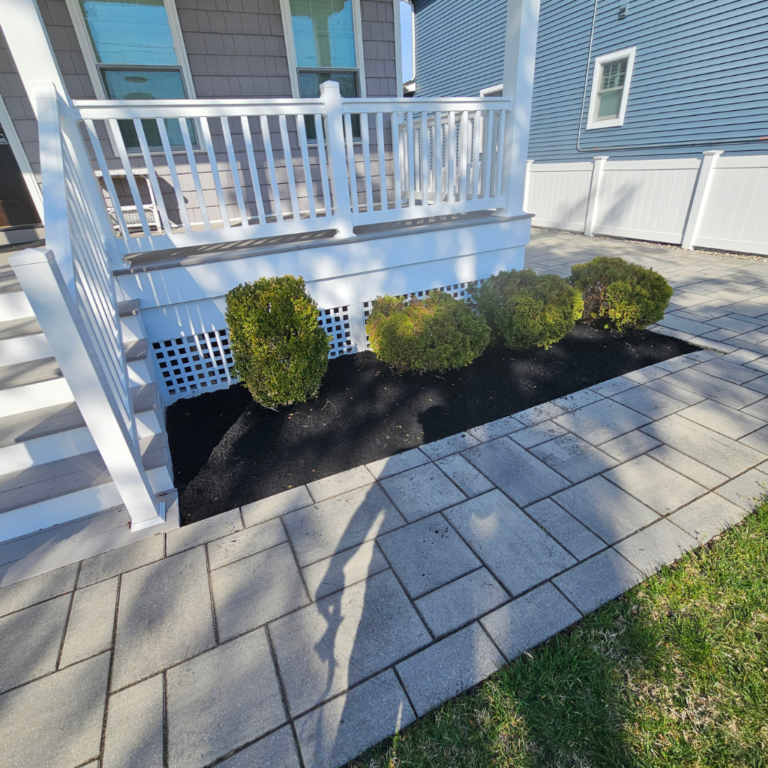
A bed has to be designed for where it sits and how it is actually seen, not dropped into whatever patch of yard looked empty. We start from the angles that matter, the approach to the front door, the view from the curb, and the windows you sit at inside, and scale each bed to the house behind it so it reads in proportion instead of looking stuck to the foundation.
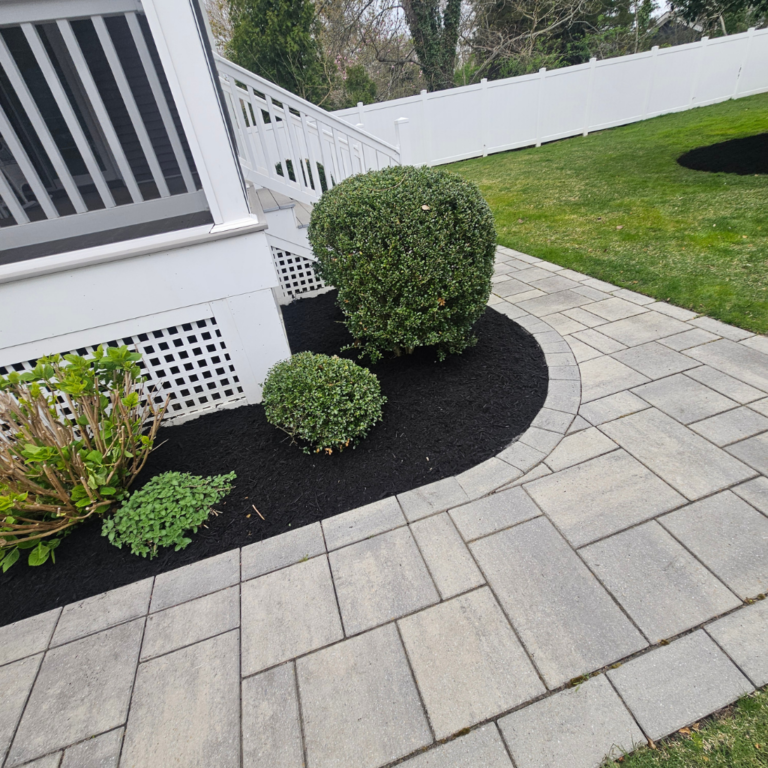
Lines get shaped to the architecture, squared off against the straight runs of the house and walks, and curved where a bed needs to soften a corner or follow a path. We anchor the beds at the entries and corners where the eye lands first, set the taller material to the back or center so nothing buries what is behind it, and leave room to get in and work the bed without trampling it.
That layout is the difference between a bed that frames the home and one that just breaks up the lawn.
Clean Edging and Defined Lines
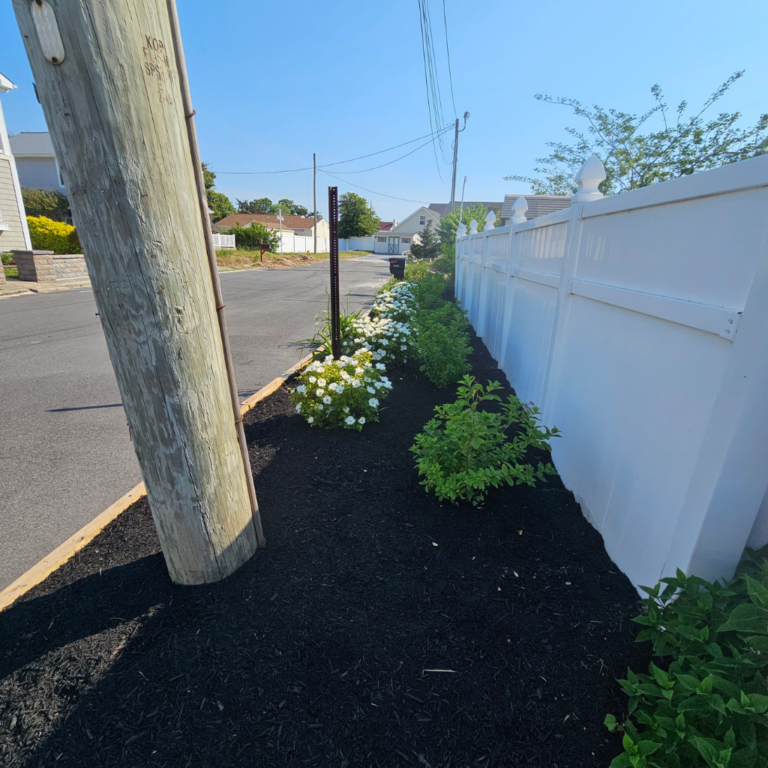
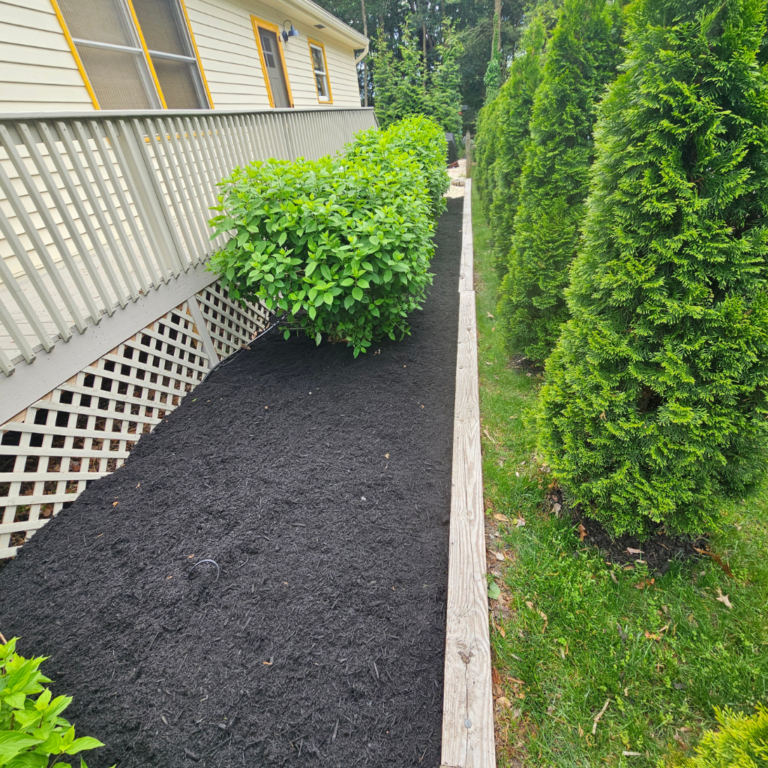
Half of what makes a bed read designed instead of overgrown is the edge, the clean line where the bed meets the lawn or the walk. We cut a crisp spade edge into the ground rather than leaning on a strip of plastic that heaves and shows itself in a season, so the line stays sharp and the bed holds a clear shape from the curb.
That cut edge does real work, trapping the mulch in the bed instead of letting it bleed into the grass, and stopping the lawn's runners from creeping in and blurring the border. We re-cut the edge whenever we refresh the bed, so it stays defined as the ground settles and the grass tries to take it back.
A bed with a held edge reads maintained even in the stretches when the planting is between bloom cycles.
Layered Planting for Season-Long Color
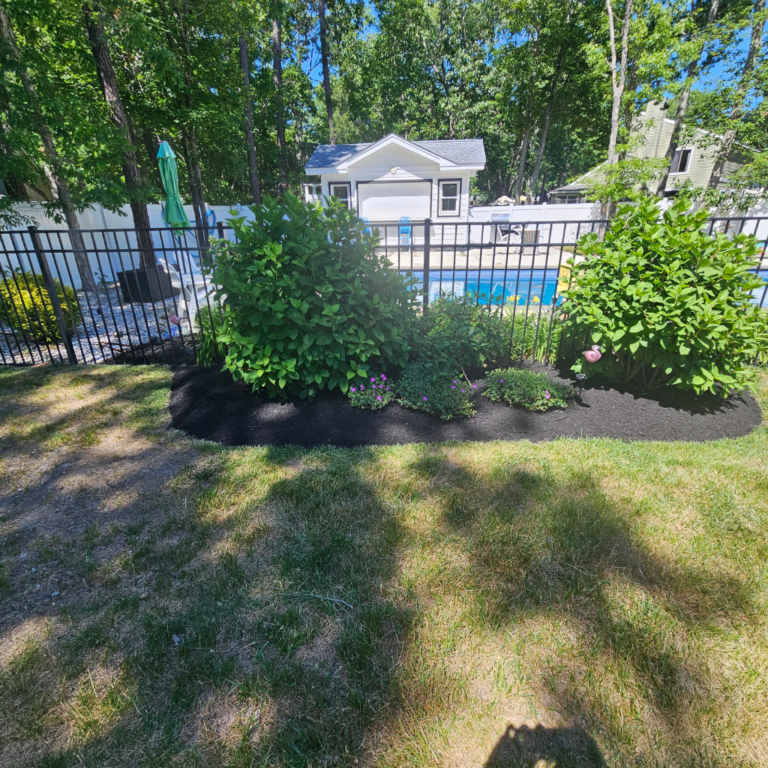
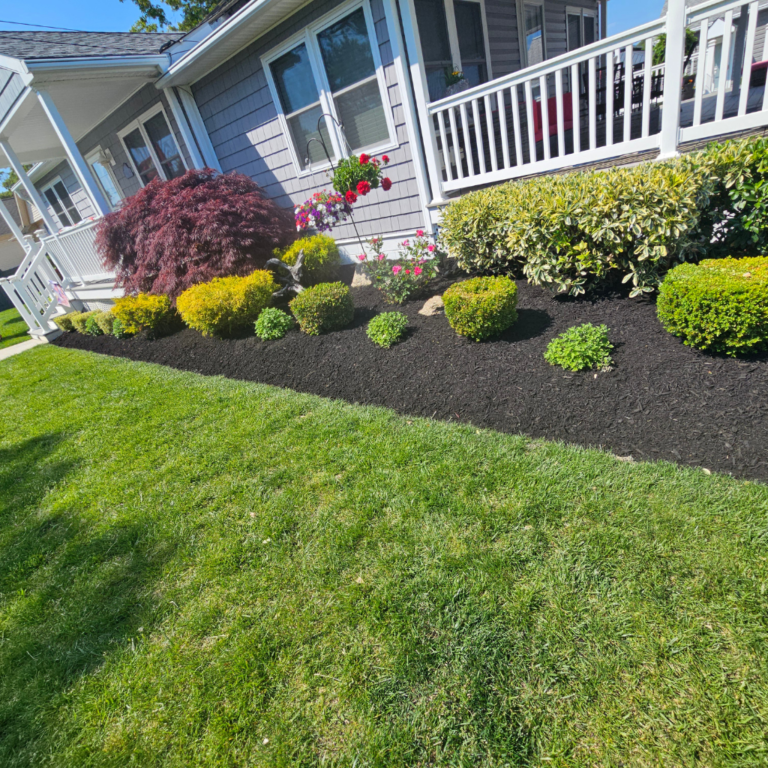
A bed that looks great for one month and dull the rest of the year is a bed planted for a single bloom, not for the season. We build the bed in layers, structural shrubs as the backbone that hold shape year-round, a middle layer of perennials that come back each year, and seasonal color worked in at the front where it carries.
The planting is sequenced so something is doing the work in spring, summer, and fall, instead of everything peaking at once and then going flat for months. We lean on foliage and texture as much as flowers, so the bed still reads full and intentional in the stretches when nothing is in bloom.
Everything is set at the spacing it needs for its mature size, so the layers fill in and hold their arrangement instead of crowding out in a season or two.
Salt-Tolerant, Low-Maintenance Plant Selection
A bed full of plants bred for richer ground and milder air is a bed you will be nursing and replacing every year down here. We map the exposure spot by spot, the beds that take the full salt wind off the water against the sheltered ones on the lee side of the house, and choose plants proven to hold up in those conditions and in the fast-draining sandy soil.
Selection is also where the upkeep is set, so we pick things that keep their shape without constant cutting back and space them for the size they grow into, so the bed fills without the plants swallowing each other.
That matters most on a property you are not at every day, where the bed cannot lean on someone being there to keep it in check. The goal is a bed that establishes, fills in, and stays full on normal upkeep, not one rebuilt every spring.
What Good Flowerbed Design Does for a Home
Beds are the detail that signals a property is cared for, the layer that makes the front of a house look finished instead of just maintained.
A well-designed bed frames the entrance, carries color through the seasons, and shows in person and in every listing photo if you ever sell, while a tired or overgrown bed drags the whole front of the house down no matter how clean the lawn is.
The difference is in the design and the plant selection, a bed built around the house and planted for the conditions holds its look for years, where a bed thrown together fades, washes out, or gets swallowed by the wrong plants.
Down here, where salt and sandy soil are hard on a landscape, the beds that still look good year after year are the ones designed and planted for the shore instead of fighting it.